
Table of Contents
- What Makes a Beauty Treatment Scientifically Proven
- At-Home LED Light Therapy for Skin Rejuvenation
- Retinol Benefits and How to Use It Safely at Home
- At-Home Chemical Exfoliation: Methods and Safety
- Radiofrequency and Electroporation Devices
- Safe At-Home Beauty Treatments: Contraindications and Patch Testing
- Long-Term Maintenance Schedules for Sustained Results
- Frequently Asked Questions
Last Updated: October 9, 2026
What Makes a Beauty Treatment Scientifically Proven
A scientifically proven at home beauty treatment is backed by clinical research, dermatological testing, and measurable outcomes in peer-reviewed studies or professional trials, unlike the industry's loose use of "clinically tested."
True validation requires controlled studies with documented results, safety data on irritation and contraindications, a dermatological mechanism of action, and reproducible outcomes across skin types. At CHOSEN WELLNESS, we focus on treatments that meet these standards.
These treatments work through established biological pathways: LED light therapy stimulates collagen at specific wavelengths, retinol increases cell turnover via vitamin A receptor activation, chemical exfoliants dissolve bonds between dead skin cells, and radiofrequency generates heat that triggers collagen remodeling. Each has documented efficacy when used correctly, but each carries safety considerations that separate effective use from skin damage.
Understanding the science behind scientifically proven at home beauty treatments helps you avoid common mistakes. Many people use these tools at intensities their skin can't tolerate or frequencies that damage the barrier; protocol, strength, frequency, and honest assessment of contraindications determine whether you see results or irritation.
At-Home LED Light Therapy for Skin Rejuvenation
At-home LED light therapy uses specific wavelengths to stimulate cellular activity, supporting collagen production and improving skin texture without heat or invasive procedures.
The evidence is substantial: clinical studies document improvements in fine lines, firmness, and radiance with consistent use. Light energy stimulates mitochondria, increasing ATP production, which fuels collagen and elastin synthesis, measurable cellular activity, not marketing language.
Devices vary significantly in quality and output. Professional-grade systems deliver 30-50 mW/cm² of power; consumer devices often deliver 5-15 mW/cm². The FDA's guidance on light-based aesthetic devices classifies most LED systems as Class II medical devices, meaning they've undergone safety review.
Best practices for LED therapy include consistency over intensity. A 15-minute session three times per week outperforms sporadic 30-minute sessions. Results typically appear after 8-12 weeks of regular use. The American Academy of Dermatology's position on light therapies notes that LED therapy works best as part of a comprehensive skincare routine, not as a standalone treatment.
The Nushape LipoWrap combines 635 nm red light with 880 nm near-infrared light in a flexible belt worn on your waist, thighs, or arms.

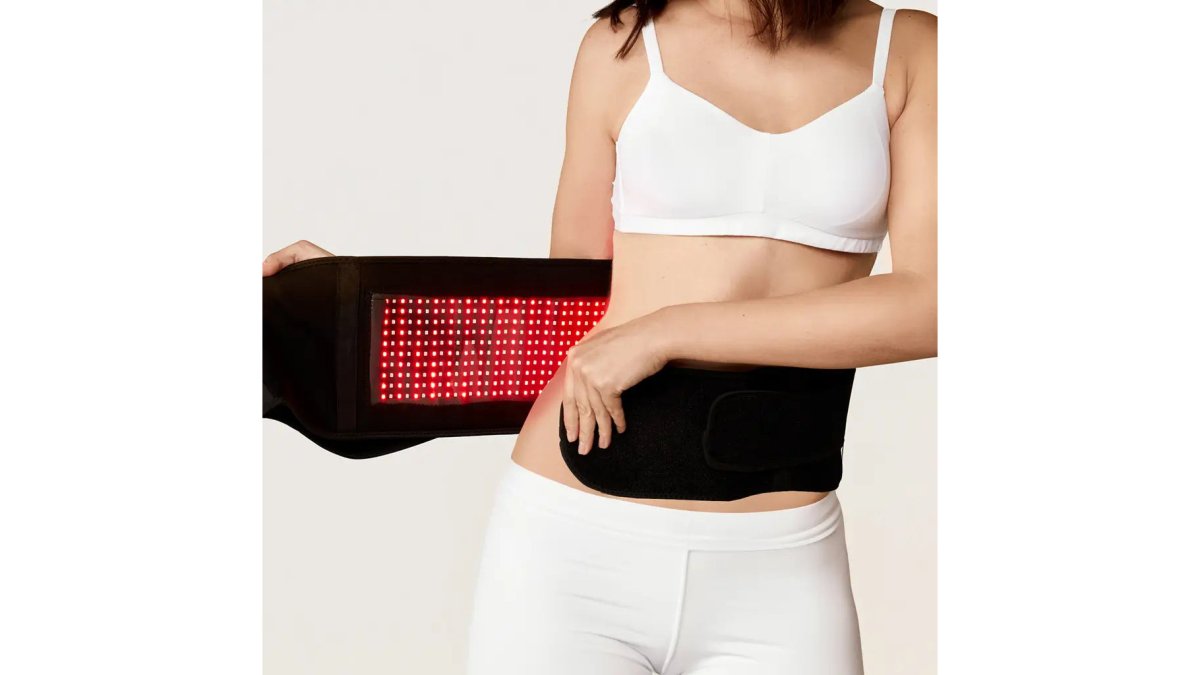
For full-body coverage, the Nushape LipoMat delivers 1,600 LEDs across 635 nm red and 850 nm near-infrared wavelengths. At $1,399.00, it's an investment, but it covers head-to-toe treatment in one session.
Retinol Benefits and How to Use It Safely at Home
Retinol is a form of vitamin A that increases cell turnover and supports collagen production by binding to retinoid receptors. It's one of the most researched skincare ingredients, with decades of clinical evidence for fine lines, texture, and hyperpigmentation.
The challenge with retinol at home is that many people use too much too soon. Retinol is irritating by design, it accelerates cell turnover, so some redness and peeling is normal. But excessive irritation means you've exceeded your skin's tolerance, damaging the barrier and setting back progress.
Proper protocol starts low and goes slow: begin with 0.25% retinol once or twice weekly, mixed into moisturizer to buffer irritation. After 4-6 weeks, if tolerated, increase frequency to twice weekly; after another 4-6 weeks, consider a higher concentration (0.5% or 1%) or more frequent use. This timeline prevents the barrier damage that causes sensitivity and peeling.
Certain skin conditions contraindicate retinol use. Active eczema, rosacea, or severe dermatitis should be treated first; retinol will worsen these conditions. Pregnant and nursing individuals should avoid retinol entirely, the American College of Obstetricians and Gynecologists' guidance on retinoids in pregnancy recommends avoiding all vitamin A derivatives due to potential teratogenic effects. Sensitive skin types benefit from starting at the lowest concentration and extending the ramp-up timeline to 12 weeks rather than 6.
Pairing retinol with other actives requires care: avoid combining it with vitamin C, niacinamide, or alpha hydroxy acids on the same night, which stacks irritation and damages the barrier. Use retinol on alternate nights, and rely on hydrating serums and gentle moisturizers.
At-Home Chemical Exfoliation: Methods and Safety
Chemical exfoliation dissolves the bonds between dead skin cells using acids or enzymes, revealing fresher skin beneath. Unlike physical exfoliation (scrubs, brushes), it works through biochemical action, which is gentler on the barrier when done correctly.
The main categories are alpha hydroxy acids (AHAs), beta hydroxy acids (BHAs), and polyhydroxy acids (PHAs). AHAs like glycolic and lactic acid work on the surface and suit dry or sensitive skin. BHAs like salicylic acid penetrate pores and suit oily or acne-prone skin. PHAs are gentler alternatives with less irritation.
Concentration and pH determine efficacy and safety: a 5-10% AHA at pH 3-4 provides gentle weekly exfoliation, while a 10-20% AHA at pH 2-3 is stronger and requires care.
Frequency matters more than strength. A gentle 5% AHA used twice weekly delivers better results than a 15% AHA used once weekly, because consistent mild exfoliation supports barrier health. Occasional "strong" treatments often cause damage that sets back progress for weeks.
Never combine chemical exfoliants with retinol, vitamin C, or other exfoliants on the same night, if you exfoliate, that's your only active treatment for the evening. Sunscreen is mandatory the next day, since exfoliated skin is more sun-sensitive.
The ilso Dual Cooling Master at $33.00 isn't a chemical exfoliant itself, but it's a supportive post-exfoliation tool: the cooling effect soothes irritation, and the triple-layer pad absorbs essence deeply, restoring hydration after treatment.
Radiofrequency and Electroporation Devices
Radiofrequency (RF) devices generate controlled heat in deeper skin layers, triggering collagen remodeling without damaging the surface. Electroporation uses electrical pulses to temporarily open cell membranes, letting serums and actives penetrate deeper than topical application alone.
RF technology has been used professionally for over 20 years, with documented safety and efficacy data.
Medicube AGE-R Booster Pro – Black →
Electroporation works differently: electrical pulses create temporary channels in the cell membrane, allowing larger molecules like serums and peptides to enter cells, significantly increasing absorption versus passive topical application.
The Medicube AGE-R Booster Pro at $475.00 combines both technologies in a four-mode device. Booster mode uses electroporation to enhance serum absorption. MC mode uses microcurrent for lifting and toning. Derma Shot mode uses EMS for massage and circulation.

Safety with RF and electroporation hinges on intensity and frequency: use these devices 2-3 times weekly, not daily, since daily use can cause cumulative heat damage and barrier disruption.
Contraindications matter here. People with pacemakers or other implanted electronic devices should avoid RF and electroporation entirely, the electrical fields can interfere with device function. Pregnant individuals should avoid RF devices due to unknown effects on fetal development.
Safe At-Home Beauty Treatments: Contraindications and Patch Testing
Contraindications are conditions where a treatment is inadvisable or unsafe. Understanding yours prevents damage and wasted investment in treatments your skin can't tolerate.
Common contraindications across most at-home beauty devices include pregnancy, active skin infections, severe dermatitis, open wounds, and implanted electronic devices. Certain medications (like some antibiotics and retinoids) increase photosensitivity, making light-based therapies riskier, research any medication's photosensitivity profile before starting LED or RF treatments.
Skin conditions that contraindicate most at-home treatments include active rosacea, severe eczema, psoriasis, and cystic acne. These require professional dermatological assessment first, using devices on compromised skin often worsens the condition and delays healing.
Patch testing is your safest approach before committing to any new treatment. Apply it on a small, inconspicuous area (behind your ear or on your inner arm) and observe for 24-48 hours.
The Magnetic Meridian Massage Fork at $39.00 is contraindicated for people with pacemakers or other implanted electronic devices, the neodymium magnets can interfere with device function, and isn't recommended during pregnancy. For everyone else, it's a low-risk tool for circulation and relaxation, a good starting point if you're new to at-home treatments.
Lymphatic care products like the Lymphatic Drainage Dots at $28.00 and Lymph Love Body Oil at $70.00 are gentler alternatives for sensitive skin. They support circulation and drainage through topical botanicals and massage rather than electrical or light-based mechanisms, carry fewer contraindications, and suit most skin types (though you should still patch-test).
Long-Term Maintenance Schedules for Sustained Results
Results from at-home beauty treatments aren't permanent. Skin cells turn over every 28-40 days, collagen breaks down continuously, and effects fade without maintenance.
LED light therapy requires ongoing use to maintain collagen production. Once you reach your target frequency (typically 2-3 times weekly), maintain it indefinitely, skipping more than a week slows collagen synthesis.
Retinol benefits also require consistency. Stop using retinol and cell turnover returns to baseline within 2-4 weeks, with fine lines and texture reappearing.
Chemical exfoliation maintenance depends on skin type and goals. Dry or sensitive skin might maintain with once-weekly gentle exfoliation; oily or acne-prone skin might need twice weekly.
| Treatment Type | Initial Phase | Maintenance Phase | Frequency to Maintain Results |
|---|---|---|---|
| LED Light Therapy | 3x weekly, 10-15 min | 2-3x weekly, 10-15 min | Indefinite (results fade within 2-4 weeks of stopping) |
| Retinol | 1-2x weekly, build over 12 weeks | 1-2x weekly | Indefinite (effects reverse in 2-4 weeks) |
| Chemical Exfoliation | 1-2x weekly, 5-10% strength | 1-2x weekly | Indefinite (skin texture returns to baseline in 4 weeks) |
| RF/Electroporation | 2-3x weekly, 4-8 weeks | 1-2x weekly | Indefinite (collagen breaks down without stimulation) |
The Nushape Body Pod at $1,999.00 is a significant investment, but maintenance is straightforward: use it 2-3 times weekly indefinitely to maintain skin appearance and recovery benefits.

Real maintenance also means supporting your skin barrier with hydration.
Many people underestimate sunscreen's role in maintenance. UV exposure degrades collagen faster than any treatment can build it.
Finding scientifically proven at home beauty treatments that work for your skin requires understanding their mechanisms, respecting contraindications, and committing to realistic maintenance schedules.
Frequently Asked Questions
Which at-home beauty treatments have scientific evidence behind them?
LED light therapy, radiofrequency devices, electroporation, retinol, and chemical exfoliants all have clinical studies supporting their efficacy. LED therapy at 635 nm and 850 nm wavelengths has been used in professional settings for over 20 years. Radiofrequency technology supports collagen production, while retinol and chemical exfoliants accelerate cell turnover. The key is choosing clinical-grade devices and following proper safety protocols, including patch testing and appropriate treatment frequency.
Do at-home LED light therapy devices actually work?
Yes, when used consistently. LED light therapy is noninvasive and dermatologist-developed. Red light (635 nm) works near the skin's surface to support circulation and skin rejuvenation, while near-infrared light (850 nm) penetrates deeper to support muscle recovery and collagen production. Results typically appear after 4-12 weeks of regular use. The Nushape Body Pod and LipoMat deliver professional-grade wavelengths at home, making spa-fresh results accessible without clinic appointments.
How long does it take to see results from at-home beauty treatments?
Timeline varies by treatment type. LED light therapy shows visible improvements in skin texture and radiance within 4-8 weeks with consistent use. Retinol requires 8-12 weeks to address hyperpigmentation and fine lines. Chemical exfoliation results appear within 2-4 weeks. Radiofrequency and electroporation devices support collagen production over 6-12 weeks. Patience and consistent treatment frequency are essential; skipping sessions delays results. Most treatments work best when paired with a healthy diet and regular skincare routine.
What are the main safety concerns with at-home beauty treatments?
Always perform patch testing before full application, especially with retinol and chemical exfoliants. Avoid these treatments if you have active skin infections, are pregnant, or have implanted electronic devices (relevant for devices with magnetic or radiofrequency components). Start at the lowest intensity with devices and gradually increase. Never exceed recommended treatment frequency, overuse can damage your skin barrier. If you have sensitive skin, consult a dermatologist before beginning new treatments. Proper device maintenance and clean application are critical for safety.