
Table of Contents
- What the Skin Barrier Does (and Why Yours Is Reacting)
- Signs of a Damaged Skin Barrier You Should Not Ignore
- What Actually Breaks a Damaged Skin Barrier
-
How to Fix a Damaged Skin Barrier: 7 Steps That Work
- Step 1: Strip Your Routine Down to Three Products
- Step 2: Switch to a pH-Balanced, Non-Foaming Cleanser
- Step 3: Apply a Repair Cream With the Right Lipid Ratio
- Step 4: Seal With an Occlusive at Night
- Step 5: Pause Retinoids, Acids, and Exfoliation
- Step 6: Wear Broad-Spectrum Sunscreen Every Morning
- Step 7: Reintroduce Actives One at a Time
- Skin Barrier Repair Ingredients: What to Look For and What to Avoid
- How Long to Heal Skin Barrier (and What Slows It Down)
- Barrier Repair for Specific Skin Types and Post-Procedure Recovery
- The Skin Cycling and Slugging Debate, and What Diet Has to Do With It
- Frequently Asked Questions
Last Updated: October 3, 2026
What the Skin Barrier Does (and Why Yours Is Reacting)
Your skin barrier is the outermost layer of skin, a thin wall of lipids and skin cells that keeps water in and irritants out.
The outer layer, the stratum corneum, works like a brick wall: skin cells are the bricks, and ceramides, cholesterol, and fatty acids are the mortar.
When the mortar thins, water escapes and irritants move in.
Signs of a Damaged Skin Barrier You Should Not Ignore
The classic signs of a damaged skin barrier are redness, tightness, stinging, flaking, and sensitivity even to products that never bothered you. If a gentle moisturizer now burns on contact, that is your signal.
Watch for these:
- Stinging or burning when applying products that used to feel neutral
- Tightness after washing, even with lukewarm water
- Flaking, rough patches, or a shiny, stretched look
- Redness that lingers longer than an hour
- New sensitivity to ingredients you tolerated for years
One symptom alone can mean something else. Three or more together, especially after a routine change, points to a compromised barrier.
How to Tell the Difference Between Barrier Damage and a Breakout
Breakouts cluster around pores as blackheads, whiteheads, and inflamed bumps. Barrier damage spreads across the whole face as redness, stinging, and flaking rather than sitting in individual pores.
A useful test: if your skin reacts to almost everything you apply, including water and plain moisturizer, that is barrier damage, not acne.
What Actually Breaks a Damaged Skin Barrier
Over-cleansing, harsh exfoliation, and too many active ingredients are the most common causes of a damaged skin barrier, each stripping lipids or disrupting skin's natural pH balance.
The usual suspects:
- Foaming cleansers used twice daily, which strip natural oils
- Physical scrubs and daily acid exfoliation that create micro-tears
- Layering retinoids, vitamin C, and exfoliating acids in one routine
- Hot water and long showers
- Dry indoor air and sun exposure without broad-spectrum sunscreen
A common mistake is treating irritation with more products. Piling on serums when skin is already reactive adds irritation instead of relief.
How to Fix a Damaged Skin Barrier: 7 Steps That Work
Repairing a damaged skin barrier takes a stripped-back routine, the right lipids, and patience. Most people improve within two to four weeks of gentle care, with full recovery taking six to eight weeks for severe damage.
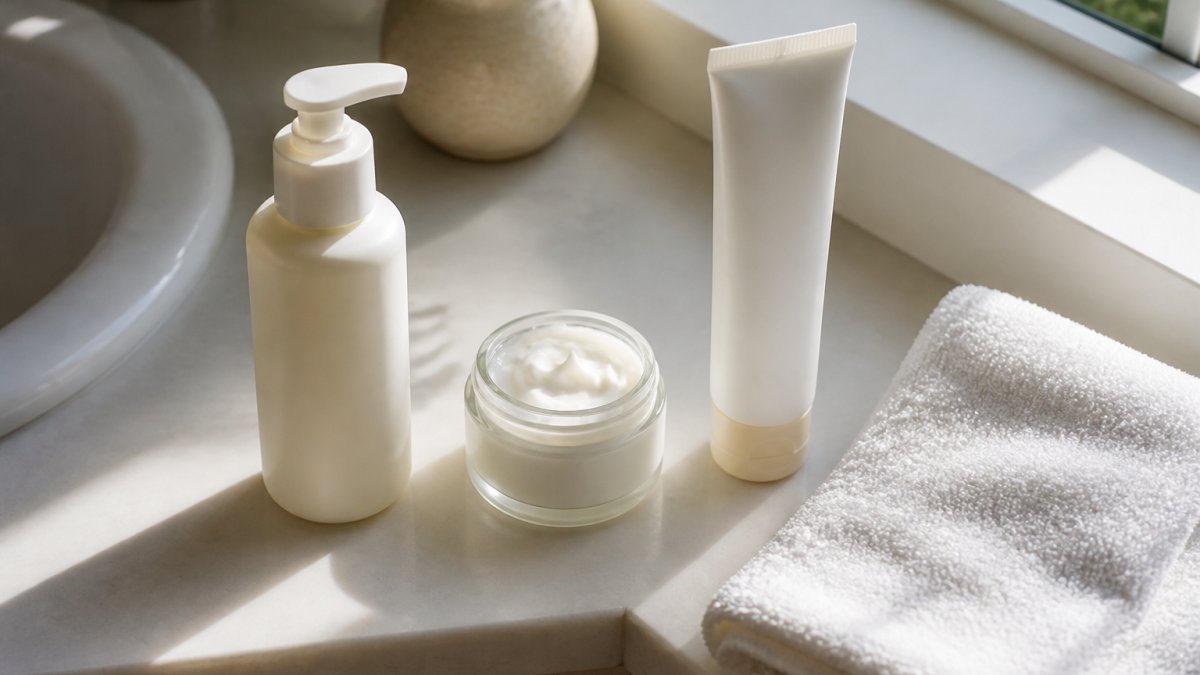
Step 1: Strip Your Routine Down to Three Products
Cut everything except a gentle cleanser, a repair cream, and sunscreen. Fewer products mean fewer chances to irritate struggling skin and fewer variables to isolate if something still stings.
Set aside serums, toners, masks, and treatments for now; you will reintroduce them later, one at a time. People often keep a "hydrating" toner or essence because it feels soothing, but many contain fragrance, essential oils, or alcohol denat that keep the barrier reactive.
Step 2: Switch to a pH-Balanced, Non-Foaming Cleanser
Choose a cleanser near skin's natural pH, around 4.5 to 5.5.
Wash with lukewarm water, morning and night. If skin feels tight afterward, the cleanser is too harsh: after patting dry, wait five minutes before applying anything, tightness or itch in that window means it is still stripping you.
If you wear heavy sunscreen or makeup, one cleanse with a gentle cream cleanser is usually enough during repair.
Step 3: Apply a Repair Cream With the Right Lipid Ratio
Look for ceramides, cholesterol, and fatty acids together; these three rebuild the mortar between skin cells and slow transepidermal water loss.
Apply to damp skin within about a minute of patting dry, while the surface still holds water, the biggest difference between a repair cream that works and one that just sits on top.
Step 4: Seal With an Occlusive at Night
An occlusive like petrolatum or squalane sits on top of skin and blocks water from escaping overnight, when most repair happens because transepidermal water loss peaks and skin's lipid synthesis is most active.
Apply it last; a thin layer is enough, and you do not need to look greasy. Petrolatum is the most effective occlusive and is generally well tolerated by acne-prone skin in a thin layer, the clogged-pore concern is largely overstated for refined, cosmetic-grade petrolatum.
Step 5: Pause Retinoids, Acids, and Exfoliation
Stop all retinoids, exfoliating acids, and scrubs for at least two weeks, the ingredients most likely to keep a damaged barrier from healing.
This is the step people skip, and the one that matters most. Swapping a strong acid for a "gentle" one does not help, the barrier does not distinguish between them while compromised.
Step 6: Wear Broad-Spectrum Sunscreen Every Morning
UV exposure damages the lipid barrier and slows repair, so broad-spectrum sunscreen protects the work your routine is doing.
Choose a mineral or gentle chemical formula without alcohol or fragrance; mineral formulas with zinc oxide or titanium dioxide tend to be least reactive for compromised skin. Reapply if you are outside for long stretches.
Step 7: Reintroduce Actives One at a Time
After two to four weeks of calm skin, add one active back. Wait a week before adding another. Start with the lowest strength, use it every third night, and watch for stinging.
A practical order: low-strength niacinamide or a gentle vitamin C derivative first, then a low-strength retinoid, then acids last, since acids are most likely to re-trigger damage.
Skin Barrier Repair Ingredients: What to Look For and What to Avoid
The best skin barrier repair ingredients fall into three groups: humectants that pull in water, emollients that soften, and occlusives that seal. Ceramides, hyaluronic acid, glycerin, and fatty acids do the heavy lifting.
| Ingredient | Role | Why It Helps |
|---|---|---|
| Ceramides | Lipid | Rebuild the mortar between skin cells |
| Cholesterol | Lipid | Balance the lipid ratio |
| Fatty acids | Lipid | Support the lipid barrier |
| Hyaluronic acid | Humectant | Draw water into skin |
| Glycerin | Humectant | Hold hydration in place |
| Squalane | Emollient | Soften and reduce water loss |
| Petrolatum | Occlusive | Seal moisture overnight |
| Niacinamide | Soothing agent | Calm redness and irritation |
Avoid until skin settles: retinoids, glycolic and salicylic acids, physical scrubs, alcohol-based toners, and heavily fragranced products, the ingredients most likely to trigger inflammation and slow recovery.
How Long to Heal Skin Barrier (and What Slows It Down)
Most people see real improvement in two to four weeks, with full recovery taking six to eight weeks for severe damage. Consistency matters more than speed.
What slows healing:
- Restarting actives too soon
- Hot showers and over-cleansing
- Skipping sunscreen
- Adding new products while skin is still reactive
If irritation persists past eight weeks despite a gentle routine, see a dermatologist. Something else may be going on.
Barrier Repair for Specific Skin Types and Post-Procedure Recovery
Most barrier repair advice is written for dry skin, so oily and acne-prone readers end up following routines that clog their pores and make things worse. The steps stay the same, but textures, occlusives, and timing change by skin type, and post-procedure skin needs its own playbook.
Sensitive and Reactive Skin
Sensitive skin needs the fewest ingredients possible. Choose fragrance-free, dye-free formulas with ceramides and niacinamide, and patch test anything new on your inner arm first. Products labeled for sensitive or eczema-prone skin tend to have shorter ingredient lists.
Avoid essential oils, botanical extracts, and "natural" preservatives like citrus-derived ingredients, which are common triggers. If a product stings on contact, stop using it.
Oily and Acne-Prone Skin
Oily skin still needs lipids.
At night, a thin layer of petrolatum over the gel-cream is generally fine for acne-prone skin and far less comedogenic than many plant oils and butters.
If you use a prescription acne treatment like tretinoin, adapalene, or benzoyl peroxide, pause it during repair and reintroduce it slowly.
Mature and Combination Skin
Mature skin loses ceramides faster, so a richer repair cream with cholesterol and fatty acids helps. Apply to damp skin, then seal with squalane at night.
For combination skin, use a lighter gel-cream on the T-zone and a richer cream on the cheeks, one product does not have to cover your whole face.
Recovery After Peels, Lasers, and Microneedling
Post-procedure skin is barrier damage by design: a chemical peel, fractional laser, or microneedling deliberately disrupts the stratum corneum to trigger remodeling, and the recovery window is when the barrier is most vulnerable.
Follow your provider's instructions first, they override anything here.
During recovery, avoid hot water, saunas, and strenuous sweating for the first few days, and do not pick or peel flaking skin, let it shed on its own.
The Skin Cycling and Slugging Debate, and What Diet Has to Do With It
Skin cycling spaces actives across a four-night cycle to protect the barrier and works well for most people.
Both approaches are tools, not rules. Skin cycling prevents damage; slugging supports repair once damage exists. Match the method to your skin type.
Diet plays a quieter role. Some research links high-sugar diets and alcohol to inflammation and slower healing, while omega-3s and adequate water support skin hydration.
Frequently Asked Questions
What is the fastest way to heal a damaged skin barrier?
Strip your routine to a gentle, pH-balanced cleanser, a ceramide-rich repair cream, and broad-spectrum sunscreen, then stop all exfoliating acids, retinoids, and foaming cleansers for at least two weeks. Adding an occlusive like petrolatum or squalane at night reduces transepidermal water loss while the lipid barrier rebuilds. Most people notice less stinging and tightness within 7 to 10 days, but full barrier function takes longer. Speeding it up means removing irritants first, not adding more products.
How can I tell if I have a damaged skin barrier versus a breakout?
The signs of a damaged skin barrier are stinging, burning, tightness, redness, and flaking, often across the whole face rather than in isolated spots. Breakouts cluster in specific zones and come with blackheads or pustules. If a product that used to feel fine now burns on contact, or your skin looks shiny and irritated at once, that points to barrier damage. A dermatologist can confirm if symptoms persist beyond a few weeks.
What are the best skin barrier repair ingredients?
Look for ceramides, cholesterol, and fatty acids in roughly a 3:1:1 ratio, since those mirror the lipids in your stratum corneum. Humectants like glycerin and hyaluronic acid pull water into the skin, emollients like squalane and shea butter soften it, and occlusives like petrolatum seal moisture in. Soothing agents such as panthenol, allantoin, and colloidal oatmeal calm inflammation. Skip fragrance, essential oils, denatured alcohol, and high-percentage exfoliating acids while your barrier recovers.
How long does it take to fix a damaged skin barrier?
Minor irritation from over-cleansing or a new active often settles in 1 to 2 weeks once you remove the trigger. Moderate damage from retinoid overuse or harsh exfoliation typically takes 4 to 6 weeks of consistent gentle care. Severe reactions, chemical burns, or post-procedure damage can take 8 weeks or longer and may need a dermatologist's help. Skin cell turnover runs about 28 days in healthy adults, and that timeline stretches when the barrier is compromised.
Barrier damage is frustrating, but it is one of the few skin concerns you can fix at home with patience and the right three products. CHOSEN WELLNESS curates results-driven skincare by goal, so you can skip the endless scrolling and find a repair cream, gentle cleanser, and broad-spectrum sunscreen that work together, backed by 30-day returns on unopened items. Get started with CHOSEN WELLNESS and rebuild your barrier with a routine you can actually stick to.