
Table of Contents
- What Makes a Beauty Brand Results-Driven in 2026
- Best Results Driven Beauty Brands 2026: Our Top Picks
- Best Skincare for Damaged Skin Barrier: Ingredients That Repair
- Science-Backed Skincare Brands: How to Spot Real Evidence
- Best Skincare Brands for Sensitive Skin: Gentle Formulas That Work
- How to Choose Effective Skincare Products for Your Goals
- Conclusion: Building a Results-Driven Routine
- Frequently Asked Questions
Last Updated: October 7, 2026
What Makes a Beauty Brand Results-Driven in 2026
A results-driven beauty brand publishes measurable evidence for its claims, names active ingredients at real concentrations, and lets independent testing verify the outcome.
At CHOSEN WELLNESS, we curate products that show their work: clinical percentages, named actives, and readable testing data. The best results driven beauty brands 2026 has to offer are not the loudest marketers, but the ones whose labels survive scrutiny.
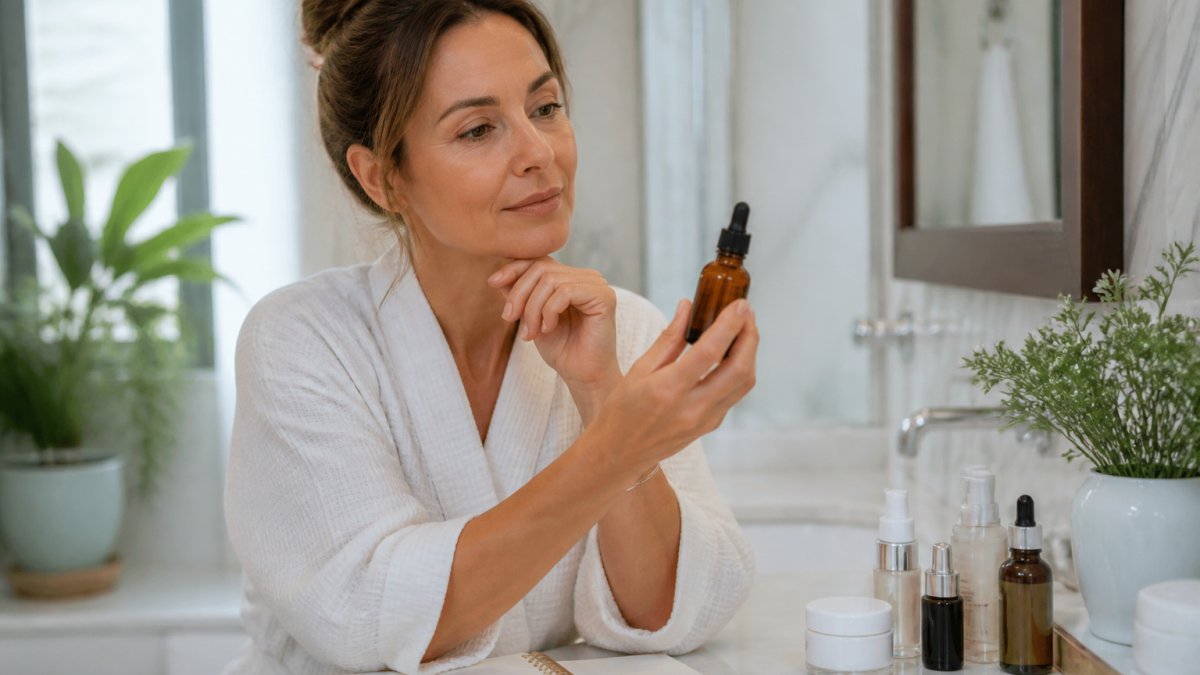
The Evidence Standard: Clinical Testing and Ingredient Transparency
Clinical testing and ingredient transparency separate real performance from marketing noise. A brand that tests publishes the protocol, participant count, and measured outcome; one hiding behind vague phrases like "visibly younger-looking skin" usually has nothing to show.
Look for three things on any label or product page:
- Named actives with percentages, such as 5% niacinamide or 0.5% copper tripeptide-1
- A stated testing method, whether clinical, instrumental, or consumer panel
- A measurable claim, like melanin reduction or hydration improvement, rather than a mood
The FDA's guidance on cosmetic claims and labeling draws a clear line between drug claims and cosmetic claims, and brands that respect that line tend to be the ones worth buying from.
Best Results Driven Beauty Brands 2026: Our Top Picks
Most roundups rank brands by popularity or social reach, which tells you who is loud, not who works. Our picks are ranked on four verifiable criteria: published testing method, named actives at real concentrations, specific measurable claims, and price per use rather than per bottle.
Here is how the three compare on those criteria:
| Product | Price | Primary Concern | Standout Evidence | Testing Disclosed | Cost Per Use |
|---|---|---|---|---|---|
| Medicube AGE-R Booster Pro | $475.00 | Absorption and firming | 4 modes with integrated LED therapy | Device specs and mode functions published | About $0.87 per use over 18 months of daily use |
| Dr.Melaxin TX Astaxanthin Line | $37.00-$70.00 | Uneven tone and dark spots | Up to 46.89% pigmentation improvement reported | Functional certification cited; protocol not published | About $0.78 per use for the $70.00 serum |
| Medicube PDRN Collagen Collection | $25.00-$93.00 | Firmness and hydration | Clinical trial tested formula | Tested by the Global Institute of Dermatological Sciences | About $0.42 per use for the $25.00 cream |
Cost per use decides whether a product is worth it. A $25.00 cream used twice daily for a month costs less per application than a $12.00 serum abandoned after a week. Divide price by realistic applications, then compare across brands.

Medicube AGE-R Booster Pro: At-Home Device Performance
The Medicube AGE-R Booster Pro is the strongest at-home device we carry for salon-style results without weekly appointments.
What most reviews miss is how much Booster mode changes your existing routine: apply serum or cream first, then roll the device in gentle circles. Electroporation helps skincare sit and spread more effectively, so the products you already own work harder.
The tradeoff is real. At $475.00 it costs more than most serums combined, and it only ships via express service.
Dr.Melaxin TX Astaxanthin Line: Targeting Uneven Tone
Dr.Melaxin built this line around three actives: tranexamic acid, astaxanthin, and niacinamide.
Read those numbers carefully: they come from the brand's own reported testing, and the protocol, participant count, and duration are not published.
The Triple Jelly Serum ($70.00) carries 5% niacinamide and a phyto-amino acid complex in a lightweight jelly texture, so it layers without pilling.
One limitation before you buy: tranexamic acid and niacinamide are well tolerated by most people, but 5% niacinamide can still cause flushing or tingling in a minority of users, especially on a compromised barrier.
Medicube PDRN Collagen Collection: Firming and Hydration
Medicube's PDRN line targets dull, loose skin with salmon DNA PDRN and collagen.
The Gua Sha Neck Cream ($93.00) has a built-in stainless-steel gua sha applicator and targets neck wrinkles and "tech neck" lines with PDRN, hydrolyzed collagen, 5% Volufiline, and retinol.
That retinol is why this one is not for everyone.
The Gel Toner Pad ($37.50) is the easiest entry point. Pour the PDRN essence into the pad container, wait five seconds, and the pads transform into a bouncy collagen gel.
Best Skincare for Damaged Skin Barrier: Ingredients That Repair
The best skincare for a damaged skin barrier rebuilds with ceramides, niacinamide, panthenol, and hyaluronic acid while you stop everything harsh.
Repair works in two phases. First, strip your routine down to a gentle cleanser and one barrier cream. Second, reintroduce actives one at a time, spaced a week apart.
Ingredients that genuinely help:
- Ceramides to replace the lipids your barrier has lost
- Niacinamide to support the skin's own lipid production
- Panthenol and betaine to calm irritation
- Hyaluronic acid in multiple weights to hydrate at different depths
The Medicube PDRN Pink Collagen Capsule Cream fits this phase well: its mild formula builds a moisture barrier without sticky residue. Pair it with sunscreen every morning, since a repairing barrier is more vulnerable to UV damage.
Medicube AGE-R Booster Pro – Black →

Science-Backed Skincare Brands: How to Spot Real Evidence
Science-backed skincare brands publish their testing methods, not just their results. That is the clearest signal, and it takes about ninety seconds to check.
Run this checklist before you buy:
- Does the product page name the testing body or laboratory?
- Are active ingredients listed with percentages?
- Is the claim specific and measurable rather than emotional?
- Does the brand disclose full ingredient lists, including fragrance?
- Can you find the same claim repeated outside the brand's own website?
One more marker: brands that say "results may vary depending on individual skin types" are usually being honest, not evasive.
The FTC's guidance on health and beauty advertising claims requires advertisers to hold substantiation before making a claim. That standard is your use as a shopper.
Best Skincare Brands for Sensitive Skin: Gentle Formulas That Work
The best skincare brands for sensitive skin avoid fragrance where possible, keep active concentrations moderate, and patch test their own formulas before launch.
| Sensitivity Type | What It Looks Like | What to Avoid | What Helps |
|---|---|---|---|
| Reactive or rosacea-prone | Flushing, visible redness, heat, stinging within minutes of application | Fragrance, essential oils, high-concentration acids, physical scrubs | Bakuchiol, panthenol, madecassoside, allantoin |
| Barrier dryness | Tightness, flaking, dullness, stinging even from plain moisturizer | Retinol, exfoliating acids, foaming cleansers, hot water | Ceramides, hyaluronic acid in multiple weights, gentle cleansers |
| Contact sensitivity | Itching, bumps, or rash that appears hours later and in specific areas | Known allergens, preservatives like methylisothiazolinone, nickel in applicators | Fragrance-free formulas, patch testing, minimal ingredient lists |
| Perioral or periorbital irritation | Small bumps or redness around mouth or eyes | Heavy occlusives, fluoridated toothpaste contact, strong actives near the area | Zinc-based barrier creams, avoiding the area with actives |
Fragrance is the most common trigger and hides under dozens of names. Look for "fragrance" or "parfum" and decide deliberately.
Two approaches that work well:
For reactive skin: Start with the COSRX The Blue Peptide Bakuchiol Plump Glow Serum ($55.00). Bakuchiol at 0.25% gives retinol-like smoothing without retinol's irritation. The formula also carries copper tripeptide-1 at 0.5%, five types of hyaluronic acid, and panthenol. One rule: do not use it at the same time as high-concentration vitamin C. Split them between morning and night.
For dry, tight skin: Layer the Medicube PDRN Pink Collagen Gel Toner Pad ($37.50) before serum.
One limitation worth naming: toner pads are a delivery format, not a treatment. They hydrate and calm, but they will not rebuild a barrier on their own.
A final note on patch testing, the step almost everyone skips. Apply the product behind your ear or on your inner forearm, twice a day for three days, watching for redness, itching, or bumps. If nothing appears, move to the jawline for three more days before the full face. It adds a week and saves you from a month of recovery if the product is wrong for you.
How to Choose Effective Skincare Products for Your Goals
Choosing effective skincare products starts with naming one goal, then matching the active ingredient to it. Most routines fail because they chase five concerns at once and address none properly.
Use this decision framework:
| Your Goal | Primary Active | Product Type | Example From Our Catalog |
|---|---|---|---|
| Firmness and elasticity | PDRN, collagen, peptides | Cream or device | Medicube Gua Sha Neck Cream, $93.00 |
| Uneven tone and dark spots | Tranexamic acid, niacinamide | Serum | Dr.Melaxin Triple Jelly Serum, $70.00 |
| Absorption and glow | Electroporation, LED | Device | Medicube AGE-R Booster Pro, $475.00 |
| Barrier repair | Ceramides, panthenol | Moisturizer | Medicube PDRN Capsule Cream, $25.00 |
| Daily UV protection | Mexoryl 400, SPF 50+ | Sunscreen | La Roche-Posay Anthelios UVMune 400, $39.00 |
A common mistake is buying a device before you own a sunscreen. UV exposure undoes more firming progress than any device can rebuild. Get the basics right first: cleanse, treat, moisturize, protect.

Conclusion: Building a Results-Driven Routine
The hard part is not finding effective products; it is knowing which fit your goal without buying six bottles to find out. That is the problem CHOSEN WELLNESS exists to solve.
We curate by goal rather than by trend, so you can shop for firmness, glow, or barrier repair and land on products selected for that outcome.
Shop by goal at CHOSEN WELLNESS and build a routine where every step has a reason to be there.
Frequently Asked Questions
What makes a beauty brand results-driven?
A results-driven beauty brand bases its product claims on clinical testing, not marketing language. Look for specific data points, such as the Dr. Melaxin Astaxanthin Brightening Capsule Cream, which shows skin surface melanin improved by 38.72% and pigmentation improved by 46.89% in testing. Brands that publish ingredient concentrations and third-party study results give you measurable benchmarks instead of vague promises.
What are the best skincare brands for a damaged skin barrier?
For a damaged skin barrier, look for products with ceramides, peptides, and gentle hydrators. The Medicube PDRN Pink Collagen Capsule Cream is formulated with mild ingredients suitable for sensitive skin and helps build a moisture barrier. The COSRX The Blue Peptide Bakuchiol Plump Glow Serum combines Copper Tripeptide-1 and five types of hyaluronic acid to support skin resilience without irritation. Patch test first and introduce one product at a time.
How long does it take to see results from skincare?
Timelines vary by product and concern. Hydration-focused products like the Medicube PDRN Pink Collagen Gel Toner Pad deliver immediate cooling and hydration. Brightening products targeting dark spots, such as the Dr.Melaxin TX Astaxanthin Triple Jelly Serum, typically require consistent use over several weeks. Firming devices like the Medicube AGE-R Booster Pro work best with daily or regular sessions. Check each product's clinical testing notes for specific timelines.
How do I choose skincare products for my specific skin concern?
Start by identifying your primary concern: uneven tone, loss of firmness, dryness, or sensitivity. Match that concern to ingredients with published evidence. For uneven tone, Dr.Melaxin uses tranexamic acid, astaxanthin, and niacinamide. For firming, Medicube PDRN products combine collagen and peptides. For sun protection, La Roche-Posay Anthelios UVMune 400 SPF50+ uses Mexoryl 400 for broad-spectrum defense. Avoid buying multiple products for the same concern at once.
Are dermatologist-recommended skincare brands more effective?
Dermatologist recommendations often reflect clinical evidence and tolerability, especially for sensitive skin. La Roche-Posay Anthelios UVMune 400 SPF50+ is formulated for sensitive skin and uses Mexoryl 400 for ultra-long UVA protection. The Medicube PDRN Pink Collagen Capsule Cream was tested by the Global Institute of Dermatological Sciences. However, effectiveness depends on matching the product to your specific concern and using it consistently.