
Table of Contents
- What Makes Curated Skincare for Sensitive Skin Different
- Selection Criteria: How We Evaluate Products for Reactive Skin
- Best Skincare Set for Sensitive Skin
- Gentle Cleansing and Moisturizers for Hydration
- Skincare Ingredients to Avoid for Sensitive Skin
- How to Patch Test Skincare Products Safely
- A Simple Sensitive Skin Skincare Routine
- Which Product Should You Pick
- Frequently Asked Questions
Last Updated: October 11, 2026
What Makes Curated Skincare for Sensitive Skin Different
Sensitive skin demands a fundamentally different approach than standard skincare routines. The difference isn't just about gentler products, it's about intentional curation that removes guesswork and replaces it with precision.
When your skin barrier is compromised or reactive, every product becomes a potential trigger. This is where best curated skincare for sensitive skin sets itself apart. Rather than browsing endless options and hoping something works, curated selections are pre-vetted for specific sensitivities. At CHOSEN WELLNESS, we understand this challenge. Our approach focuses on products formulated to support barrier repair, minimize irritation, and deliver results without compromise.
Generic skincare routines often stack too many actives or introduce incompatible ingredients. Curated collections eliminate that risk by building cohesive routines where each product complements the others. The result: faster improvement and fewer adverse reactions.
Selection Criteria: How We Evaluate Products for Reactive Skin
Choosing best curated skincare for sensitive skin requires clear evaluation standards. Without them, "gentle" becomes subjective and marketing claims override actual performance.
We evaluate every product across five core criteria that matter for reactive skin:
Fragrance Status. Fragrance is the leading cause of irritation in skincare, even when labeled "natural." We prioritize fragrance-free formulations exclusively. This single decision eliminates one of the most common triggers without sacrificing efficacy.
Barrier-Supporting Ingredients. Products must actively repair or support the skin barrier, not just avoid harm. We look for ceramides, niacinamide, hyaluronic acid, and plant-derived soothing compounds like oat extract and centella asiatica. These ingredients restore function, not just provide temporary relief.

Ingredient Concentration. A product listing niacinamide doesn't guarantee effectiveness. We prioritize formulations where key actives appear early in ingredient lists, indicating meaningful concentrations. Low-concentration "hero ingredients" are marketing noise.
Hypoallergenic Testing. We favor products that have undergone dermatological testing, particularly for sensitive skin. Patch test completion and clinical validation matter more than marketing claims.
Texture and Absorption. Heavy creams can suffocate reactive skin; thin serums may not provide adequate hydration. We balance texture with actual nourishment, ensuring products absorb cleanly without leaving residue or causing congestion.
Fragrance-Free and Hypoallergenic Standards
Fragrance-free products are non-negotiable for sensitive skin. The term itself requires scrutiny, "unscented" often means fragrance is masked with additional chemicals, while "fragrance-free" means no aromatic compounds at all.
Hypoallergenic labeling is less regulated than most assume. We go beyond the label. Products we recommend have completed irritation testing on sensitive skin populations, not just general safety testing. This distinction matters significantly.
Common irritants we screen out include alcohol denat, essential oils, synthetic fragrances, and high concentrations of preservatives. The goal isn't a product with zero preservatives, that's unrealistic, but rather preservative systems chosen specifically for sensitive skin tolerance.
Barrier-Repair and Soothing Ingredients
The skin barrier is your first line of defense against irritation. When compromised, reactive skin follows. Best curated skincare for sensitive skin prioritizes barrier repair above all else.
Ceramides form the structural foundation of your barrier. Niacinamide strengthens barrier function while reducing inflammation. Hyaluronic acid draws moisture into the skin without irritation. These three work synergistically and appear across our recommended collections.
Soothing compounds like oat extract, centella asiatica, and allantoin reduce active inflammation. They're not just comfort, they're functional ingredients that measurably calm reactive skin. Products combining barrier repair with soothing actives outperform single-action formulas.
Best Skincare Set for Sensitive Skin
A complete skincare set designed for sensitive skin delivers coordinated results that individual products cannot achieve alone. The synergy matters: each product prepares skin for the next, amplifying efficacy while minimizing irritation risk.
Our recommended approach centers on the Complete Skincare Set at $57.00. This set provides a full regimen with multiple variant options, including a hydration-focused option ideal for reactive skin, that work together as a system rather than isolated steps.
Why a set beats individual product shopping: consistency of formulation philosophy, proven compatibility between products, simplified decision-making, and cost efficiency. You're not mixing brands with conflicting ingredient strategies or accidentally layering incompatible actives.
The Complete Skincare Set includes cleanser, toner, serum, moisturizer, and treatment options depending on your variant. Each component is selected to support barrier repair and minimize irritation. This eliminates the most common mistake: buying products individually without considering how they interact.
Gentle Cleansing and Moisturizers for Hydration
Cleansing is where most sensitive skin routines fail. Harsh surfactants strip the barrier, triggering the very reactivity you're trying to prevent. Gentle cleansing isn't optional, it's foundational.
For sensitive skin, cleansing should remove impurities without stripping natural oils. Cream cleansers and cleansing balms excel here. They dissolve makeup and debris while maintaining barrier integrity.
Apply cleanser with lukewarm water, hot water increases irritation risk. Massage gently for 30-45 seconds, then rinse thoroughly. Pat dry without rubbing. This simple protocol prevents unnecessary barrier stress.
Moisturizers for sensitive skin must hydrate without occlusion. Lightweight gel moisturizers work for oily-sensitive skin; richer creams suit dry-sensitive skin. The key is matching texture to your specific needs without assuming all sensitive skin requires heavy creams.
Our Hyaluronic Acid Serum at $30.00 provides deep hydration through multiple molecular weights of hyaluronic acid, each penetrating different skin layers. Follow with the Peptide Moisturizer at $27.99, which combines barrier-supporting ingredients with peptides for repair and hydration.

This two-step approach, hydrating serum plus nourishing moisturizer, addresses both water and oil balance, critical for reactive skin recovery.
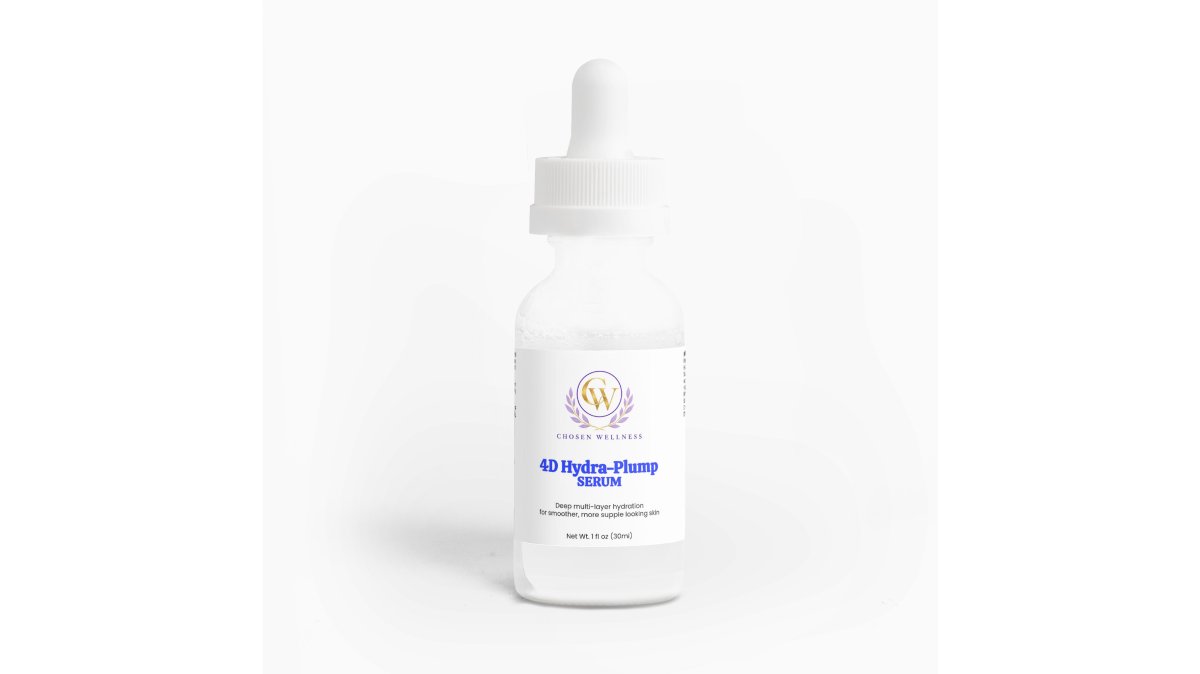
Skincare Ingredients to Avoid for Sensitive Skin
Not all ingredients are problematic for sensitive skin, but certain categories carry higher irritation risk. Knowing what to avoid prevents setbacks and accelerates barrier recovery.
Alcohol Denat. High concentrations of denatured alcohol are drying and irritating. Small amounts in formulas are generally tolerable, but products listing it early in ingredients should be skipped.
Essential Oils and Fragrance. Even "natural" essential oils are volatile compounds that irritate reactive skin. Lavender, tea tree, and citrus oils are common culprits. Fragrance-free is non-negotiable.
High-Concentration Vitamin C. L-ascorbic acid above 10% can irritate sensitive skin, particularly on damaged barriers. Stabilized forms like magnesium ascorbyl phosphate (found in our Vitamin C Serum at $20.00) are gentler alternatives.
Retinoids (Initially). Retinol and retinoid derivatives are powerful but irritating to compromised skin. Start with gentler alternatives; introduce retinoids only after barrier recovery.
Salicylic Acid and Benzoyl Peroxide. These acne-fighting actives are too harsh for reactive skin. Address acne through barrier repair and gentle exfoliation instead.
Fragrance and Dyes. Synthetic dyes and added fragrance serve no skincare function and exist only for marketing. Avoid them entirely.
Sulfates. Sodium lauryl sulfate and similar surfactants strip the barrier aggressively. Sulfate-free cleansers are essential for sensitive skin.
The safest approach: start with products containing only proven gentle ingredients. Add complexity only after your barrier stabilizes.
How to Patch Test Skincare Products Safely
Patch testing prevents full-face reactions before they happen. This single step has saved countless sensitive skin sufferers from setbacks.
Patch testing involves applying a small amount of new product to a discrete area of skin, typically the inner arm or behind the ear, and monitoring for 24-48 hours before full-face application.
Step 1: Choose Your Test Area. The inner arm is ideal because skin there is thin and reactive, similar to facial skin. Behind the ear works too. Avoid areas with existing irritation.
Step 2: Apply a Small Amount. Use a dime-sized portion of the new product. Apply it once daily for three consecutive days, morning or evening.
Step 3: Monitor for Reactions. Watch for redness, itching, burning, swelling, or any discomfort. Mild tingling from active ingredients is normal; intense burning is not.
Step 4: Wait Before Full Application. If no reaction occurs after three days, the product is likely safe.
Step 5: Introduce One Product at a Time. Never add multiple new products simultaneously. This prevents identifying which product caused a reaction if one occurs.
A Simple Sensitive Skin Skincare Routine
Simplicity is your advantage with sensitive skin. More products mean more potential irritants and more complexity. An effective routine for reactive skin requires only three essential steps.
Morning Routine (2-3 minutes):
- Cleanse with lukewarm water and a gentle, fragrance-free cleanser
- Apply hydrating serum (like our Hyaluronic Acid Serum)
- Apply lightweight moisturizer
- Apply broad-spectrum SPF 50+ sunscreen (sun protection prevents barrier damage)
Evening Routine (3-5 minutes):
- Cleanse with gentle cleanser
- Apply hydrating serum
- Apply nourishing moisturizer
- Optional: Apply soothing treatment mask 1-2 times weekly
This routine avoids unnecessary steps while supporting barrier repair. The La Roche-Posay Anthelios UVMune 400 SPF50+ Sunscreen Milk at $39.00 is specifically formulated for sensitive skin with La Roche-Posay Thermal Spring Water to soothe while protecting.
| Step | Purpose | Timing | Frequency |
|---|---|---|---|
| Cleanse | Remove impurities without stripping barrier | Morning & evening | Twice daily |
| Hydrate | Deliver moisture to deep skin layers | After cleansing | Twice daily |
| Moisturize | Lock in hydration and support barrier | After serum | Twice daily |
| Protect | Defend against UV damage | Morning only | Daily |
| Treat | Address specific concerns | Evening | 1-2x weekly |
This framework prevents overwhelm while delivering measurable results.
Which Product Should You Pick
The best product for your sensitive skin depends on your specific concern and current barrier state. Not all sensitive skin is identical.
If your primary concern is dryness and dehydration: Start with the Hyaluronic Acid Serum ($30.00) layered under the Peptide Moisturizer ($27.99).
If you have active inflammation and redness: The ilso Dual Cooling Master ($33.00) provides immediate soothing through Heartleaf Tendersome™ while its cooling effect reduces visible inflammation.
If you want a complete coordinated routine: The Complete Skincare Set ($57.00) eliminates guesswork by providing all essential steps in compatible formulations.
If you're concerned about aging alongside sensitivity: The PDRN Brightening Serum ($32.00) combines barrier support with anti-aging peptides, addressing both concerns simultaneously.

For weekly intensive treatment: The Medicube PDRN Pink Collagen Gel Mask ($53.00) provides deep hydration and elasticity support without irritation.
For UV protection (non-negotiable): The La Roche-Posay Anthelios UVMune 400 SPF50+ ($39.00) is formulated specifically for sensitive skin.
Most people benefit from starting with a serum-plus-moisturizer combination, then adding targeted treatments based on results. Avoid the temptation to buy everything at once.
Finding the right best curated skincare for sensitive skin shouldn't require endless research or trial-and-error.
CHOSEN WELLNESS curates skincare specifically to eliminate guesswork.
Frequently Asked Questions
What ingredients should people with sensitive skin look for?
Look for soothing botanicals like aloe vera, niacinamide, and panthenol that calm redness and support the skin barrier. Hyaluronic acid in multiple molecular weights hydrates without irritation. Peptides and plant extracts like neem and moringa provide gentle nourishment. Avoid fragrance, alcohol, and sulfates. Our curated skincare for sensitive skin prioritizes these calming, barrier-supporting ingredients to reduce the risk of reactive flare-ups.
How do you build a simple skincare routine for sensitive skin?
Start with a gentle cleanser, apply a hydrating serum like our Hyaluronic Acid Serum ($30), follow with a soothing moisturizer such as our Peptide Moisturizer ($27.99), and finish with SPF during the day. Introduce one product at a time, waiting 1-2 weeks between additions to monitor for irritation. Keep it minimal, more products increase the risk of triggering sensitivity. A best skincare set for sensitive skin streamlines this process by bundling complementary, tested products together.
What's not good for sensitive skin?
Avoid fragrance, essential oils, high-concentration acids, sulfates, and alcohol. Retinoids and vitamin C in high doses can irritate reactive skin initially. Physical exfoliants and harsh cleansers strip the barrier. Skincare ingredients to avoid for sensitive skin also include certain preservatives and dyes. Start with the mildest formulas and patch test before full application. When in doubt, choose products labeled hypoallergenic and dermatologist-tested.
How can you tell if a skincare product is irritating your skin?
Signs of irritation include redness, stinging, burning, itching, or increased dryness within minutes to hours of application. Some reactions appear the next day as inflammation or small bumps. If you experience any of these, stop using the product immediately and rinse with cool water. This is why patch testing is essential, apply a small amount to your inner arm first and wait 24-48 hours before using it on your face. Document which products cause reactions to avoid similar formulations.